$50
Support immediate essentials
Help fund food, supplies, transportation, and basic recovery needs through Maui recovery partners.
Donate $50The headlines faded. The recovery did not. Help Maui families through verified long-term recovery funds, then share this page so more people remember.
Each statistic points to a family, a street, a classroom, a business, and a memory that Maui is still carrying.
These examples help donors understand the scale of support. Final amount and designation are selected on the Hawaii Community Foundation site.
Help fund food, supplies, transportation, and basic recovery needs through Maui recovery partners.
Donate $50Support grants that can help with temporary needs, resource navigation, and community recovery services.
Donate $250Help sustain the long recovery work that continues after national attention moves elsewhere.
Donate $1,000Amounts are examples for donor clarity. The donation is completed directly through Hawaii Community Foundation.
Front Street was the living room of Lahaina. Shops, music, families, visitors, neighbors, and the banyan tree held a town together in public view.
After the fire, the streets became evidence of what wind and flame can take in a single afternoon. Recovery is now measured in years, permits, housing, health, infrastructure, and grief.
See how to help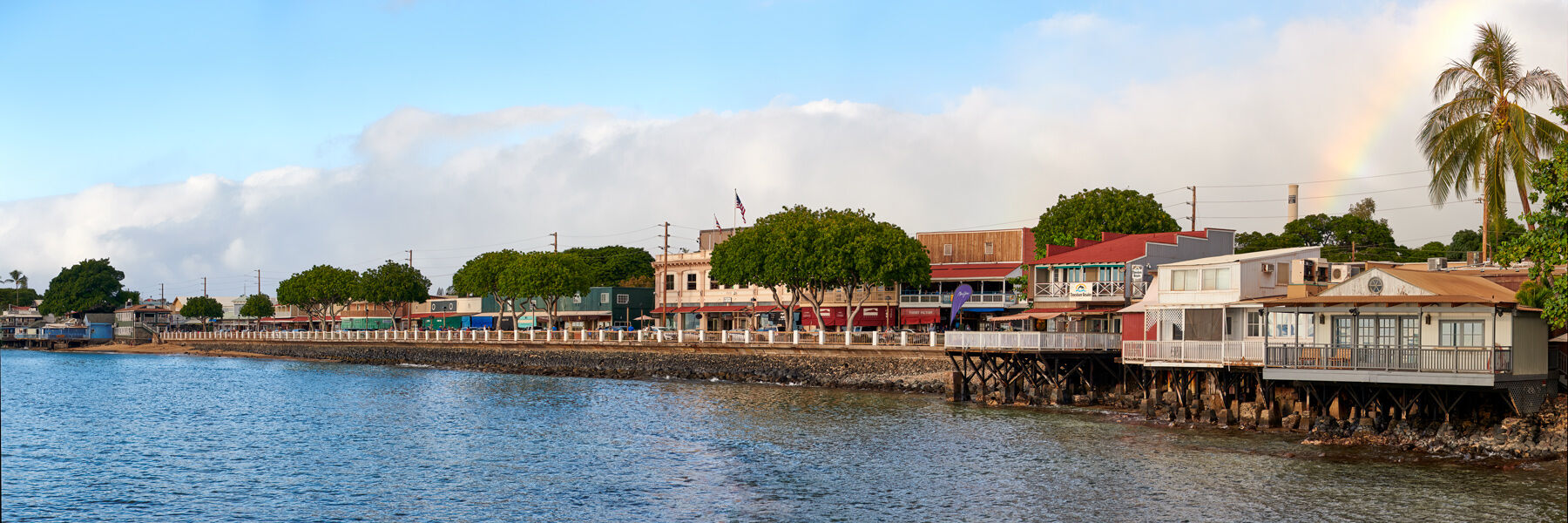
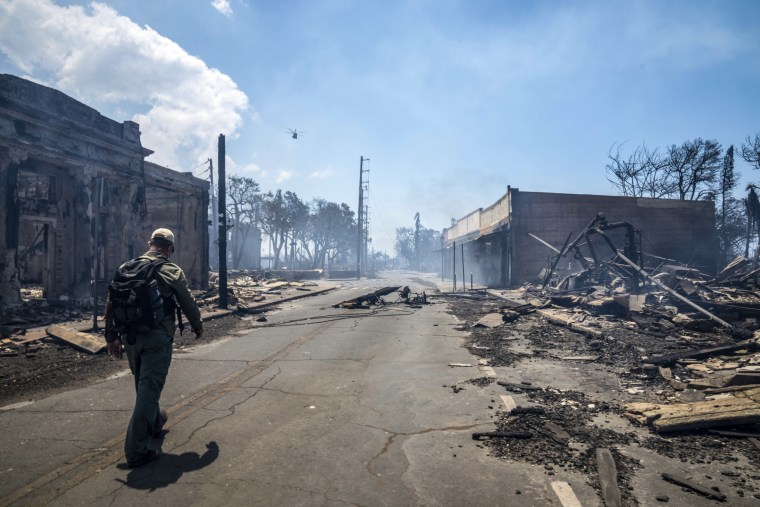
The site should move people from shock to trust to action. Survivor voices keep the page human without turning donation into a transaction.
"The heat was like a wall you could feel through the car windows."
Lahaina resident
"My grandfather built that house with his hands. Every beam. Now I have a key to nothing."
Front Street family
"We jumped into the harbor. A hundred of us. Floating in dark water while the town burned behind us."
Survivor, August 8
The main CTA sends donors directly to the Maui Strong Fund through the Hawaii Community Foundation. This keeps the ask credible and avoids collecting money on this site.
A good help page should give every visitor a useful next step. Sharing, housing leads, local business support, and verified volunteer links all matter.
Send the page to one person who cares about Maui or has a platform.
Forward verified housing, services, grants, and recovery resources.
Support Maui-owned businesses, makers, restaurants, artists, and guides.
Recovery takes years. Remind people that Lahaina still needs attention.
Donate if you can. Share if you cannot. Either way, keep Lahaina in the conversation.
Maui families are still recovering. $50 helps today. Sharing helps too.
Donate